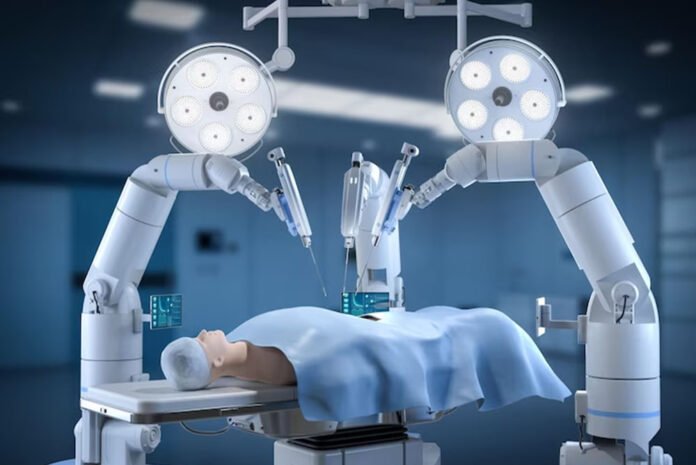

Undergoing surgery can be physically and emotionally demanding, particularly when patients are concerned about post-operative pain and the time needed to recover. For many patients in Delhi, these concerns play a key role in treatment decisions. Robotic-assisted surgery directly addresses both issues by reducing surgical trauma and supporting faster, more comfortable recovery compared to conventional surgical approaches.
For patients considering this option, consulting a robotic surgery specialist in Delhi helps determine whether robotic-assisted surgery is suitable for their condition. This approach is now commonly used across urology, gynaecology, gastrointestinal surgery, and selected cancer-related procedures. By enabling precise, controlled movements through smaller incisions, robotic surgery helps reduce postoperative pain and allows patients to regain mobility and return to normal routines sooner.
Understanding Robotic-Assisted Surgery
Robotic-assisted surgery is a minimally invasive surgical technique in which the surgeon operates via a computer-controlled system. The technology does not replace the surgeon’s expertise. Instead, it responds precisely to the surgeon’s hand movements in real time. This allows procedures to be performed through small incisions rather than large surgical openings.
The system provides a magnified, high-definition view of the surgical area. This improved visibility supports careful handling of tissues and structures. As a result, surgeons can work more accurately in confined areas of the body, helping limit unnecessary tissue stress and contributing to better recovery outcomes.
Why Smaller Incisions Lead To Less Pain?
One of the main reasons robotic surgery reduces pain lies in how the incisions are made. Smaller incisions result in less disruption to muscles and surrounding tissues. This principle directly affects how patients feel after surgery.
The reduced physical impact of surgery offers several pain-related benefits:
- Less injury to muscles and connective tissue
- Lower levels of inflammation after surgery
- Reduced irritation to the surrounding nerves
- Improved comfort during early recovery
Together, these factors help patients experience milder post-operative discomfort. Many patients also require fewer pain-relief medicines, which reduces the risk of medication-related side effects. This creates a more manageable recovery period, especially for older adults and those with existing health conditions.
Precision And Its Role In Faster Healing
Robotic systems offer high precision, which plays a critical role in healing. The technology filters out natural hand tremors, allowing surgeons to make steady, controlled movements during complex procedures.
This precision supports faster healing by limiting internal stress during surgery. When tissues are handled gently and accurately, the body can begin its natural repair process more efficiently. Reduced swelling and minimal internal strain help wounds heal steadily and support earlier mobilisation.
Reduced Complications And Shorter Hospital Stays
Complications such as infection or excessive blood loss can slow recovery after surgery. Robotic-assisted surgery helps lower these risks by enabling surgeons to operate with controlled movements and minimal tissue disruption.
Patients often experience the following recovery-related advantages:
- Reduced blood loss during procedures
- Lower risk of post-surgical infection
- Faster wound healing
- Earlier readiness for hospital discharge
These outcomes often result in shorter hospital stays. Recovering at home can reduce emotional stress and help patients regain comfort more quickly. For many individuals in Delhi, this also helps them return to personal and professional responsibilities sooner.
Supporting Recovery Beyond The Operating Room
Recovery continues well after surgery is completed. Reduced pain allows patients to move more comfortably during the early recovery phase. Gentle movement supports circulation and helps prevent stiffness or fatigue.
Patients recovering from robotic-assisted surgery often find it easier to:
- Resume light daily activities safely.
- Maintain regular eating and sleeping patterns.
- Follow post-surgical care instructions effectively.
- Regain confidence in movement and independence.
These factors contribute to both physical healing and emotional well-being. A smoother recovery experience can also reduce the caregiving burden on family members.
Importance Of Diagnosis And Clinical Judgement
Robotic surgery does not suit every patient or medical condition. Doctors assess each case carefully before recommending this approach. Accurate diagnosis, overall health status, and the nature of the condition guide this decision-making process.
For complex conditions, careful planning ensures that robotic-assisted surgery supports treatment goals without compromising safety. Consultation with an experienced robotic surgery specialist in Delhi helps patients understand the expected benefits and recovery process clearly. Leading hospitals such as BLK-Max Super Speciality Hospital provide advanced robotic surgical care, supported by skilled specialists, modern technology, and structured post-operative support to ensure safe and effective treatment outcomes.
Skilled Teams Behind Robotic-Assisted Surgery
Successful robotic surgery depends not only on technology but also on the expertise of the surgical team. Surgeons, anaesthetists, nurses, and post-operative care teams work together to manage each stage of treatment.
Experienced teams follow structured clinical protocols that support patient safety and recovery. This coordinated approach ensures that advanced technology complements sound medical judgement and attentive care.
Conclusion
Robotic-assisted surgery has reshaped surgical care for many patients in Delhi by reducing pain and supporting faster recovery. Smaller incisions, controlled precision, and reduced tissue trauma allow the body to heal with less strain. For patients, this often means improved comfort, fewer complications, and a smoother return to daily life.
Choosing the right surgical approach requires careful evaluation and expert guidance. When recommended appropriately, robotic-assisted surgery can offer meaningful benefits for patients seeking effective, considerate, and recovery-focused surgical care.